How to read your ball flight
Every ball you hit answers two questions: where did it start, and did it curve? Learn to read both and you'll know what to work on, before anyone films your swing.
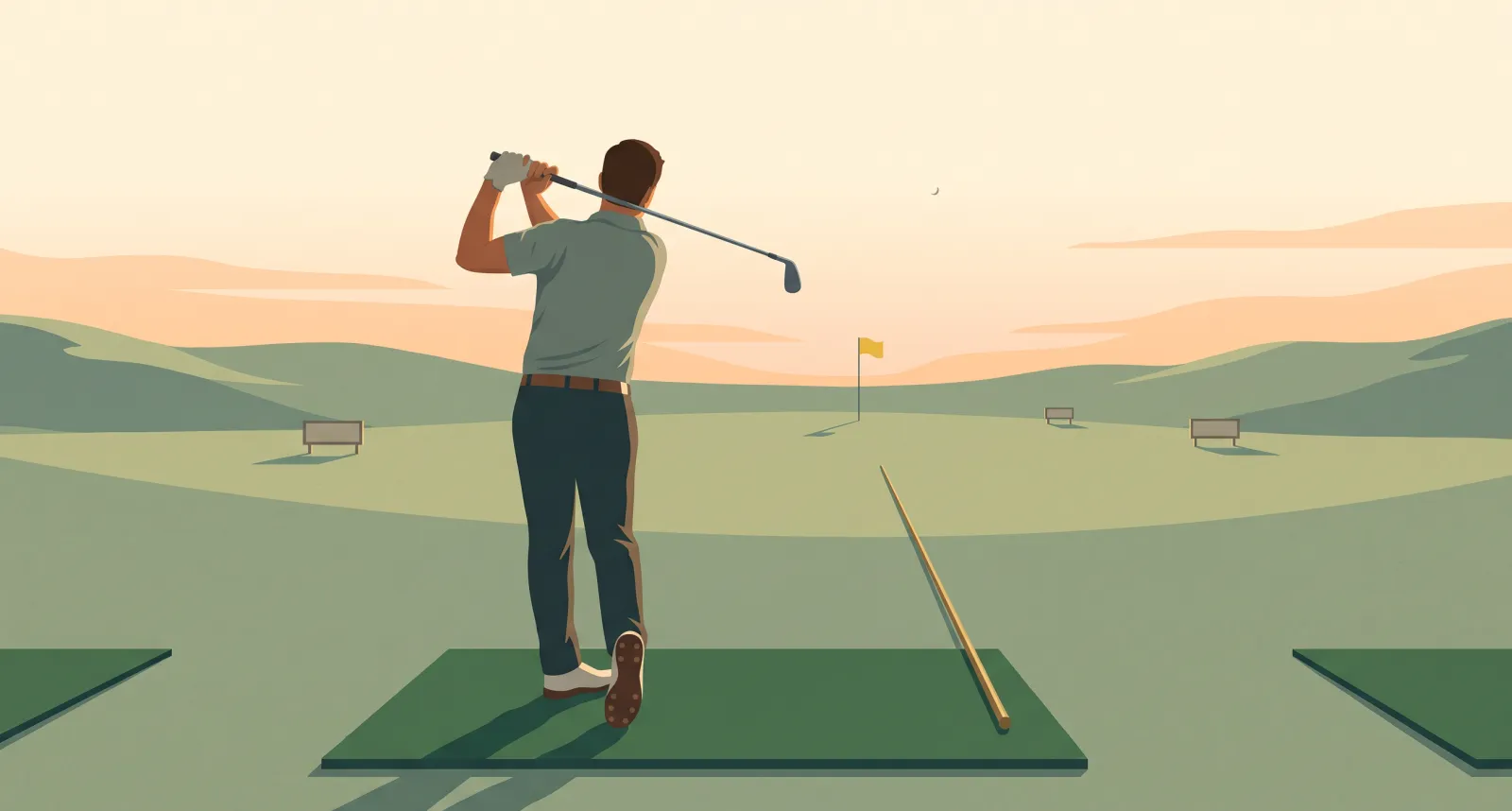
Written for right-handed golfers. Left-handed: swap left and right.
Two questions after every shot
Where did it start? Watch the first 20 metres of flight, before any curve kicks in. Did it curve? Watch the second half. Those two answers are the whole method.
Start line: mostly the clubface
The ball starts roughly where the clubface points at impact. Face pointing right of the target: the ball starts right. Face square to the target: it starts on line.
Curve: the face against the path
The curve comes from the difference between where the face points and the direction the club is travelling, the swing path. Face open to the path: the ball curves right. Face closed to the path: it curves left. Face matching the path: no curve.
Set up so you can read it
- Pick a narrow target: a flag, a pole, the edge of a distance board.
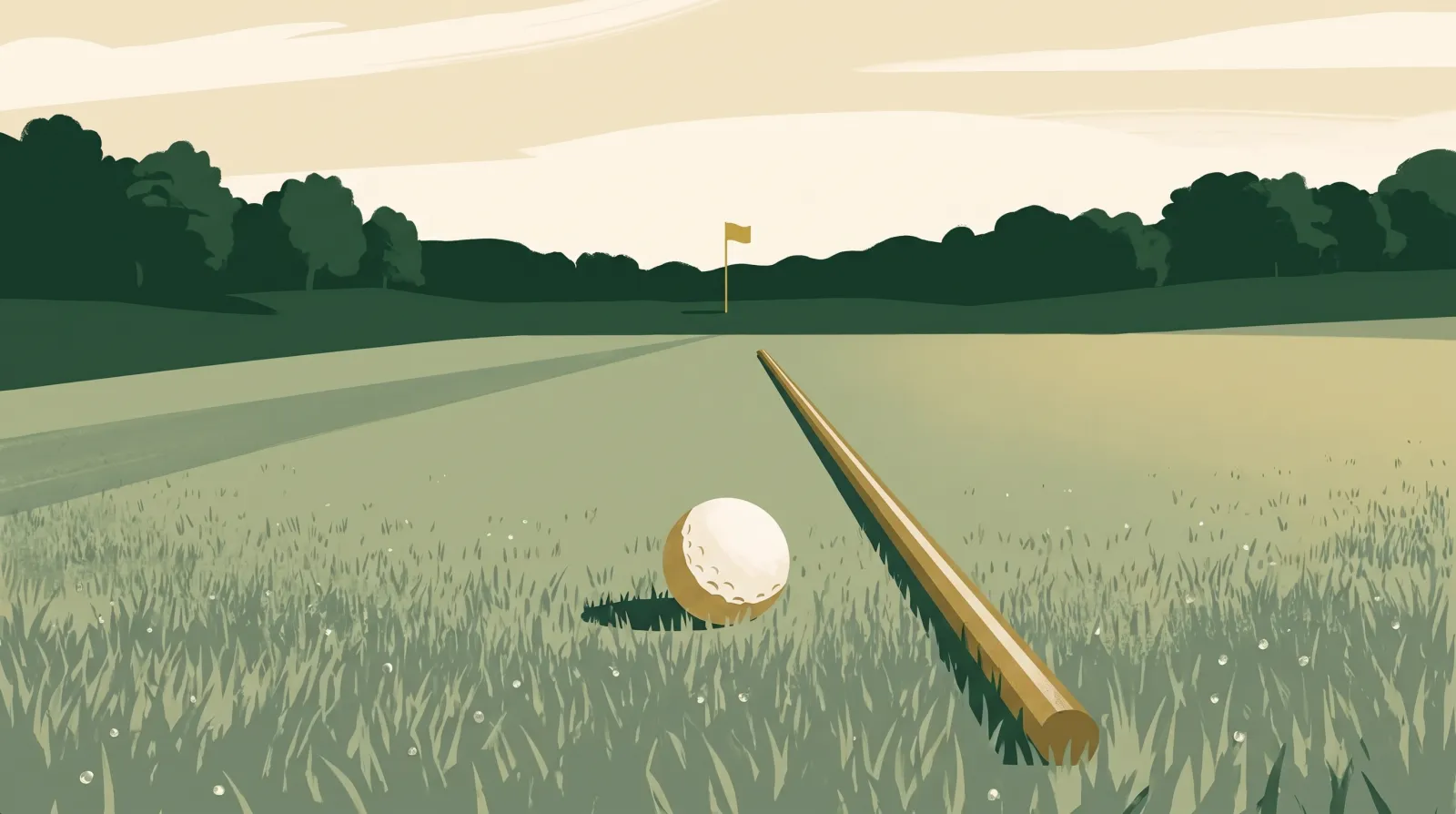
- Lay a club or an alignment stick on the ground just beyond the ball, pointing at that target.
- After each shot, hold your finish and watch the ball all the way down.
- Say the answer out loud: "started right, curved right". It sounds silly and it works.
What each pattern points to
- Starts on line, curves right: the face is open to the path. The classic slice.
- Starts left, curves right: a pull slice. The path comes from outside the target line and the face is open to it.
- Starts right, no curve: a push. Face and path both point right, often from aim or ball position.
- Starts left, no curve: a pull. Often the same story the other way round.
- Starts right, curves left: a push draw, or a hook if it keeps going.
Hit 10 balls with one club at one target. For each ball, note the start (left, on line, right) and whether it curved. The combination that shows up most is your pattern, and the place to start.

Take it to the range
Tenball logs your 10 balls in two taps each, shows your misses on a chart and tells you when a fix is working.